Mercredi 10 juin 2026 19:00
Langues : lieux : Cercle Cité - Auditorium 2e étage

Great Restorations
Le vernis élégant d’un mari se fissure après son mariage, et il déchaîne sur sa femme un tempérament paranoïaque et instable, qui dégénère en crises de plus en plus dangereuses et imprévisibles.
Released at the height of his prolific Mexican period, Él remains one of Luis Buñuel’s crowning achievements.
Slant Magazine

With eerie point-of-view shots, Buñuel gets inside the mind of a madman whose sadism is inseparable from his high social position; his commanding manner mirrors the folly and the cruelty of society at large.
The New Yorker
Mercredi 10 juin 2026 19:00
Langues : lieux : Cercle Cité - Auditorium 2e étage
Mercredi 27 mai 2026 20:15
Langues : vostFR lieux : Théâtre des Capucins
Vendredi 12 juin 2026 18:30
Langues : vostFR lieux : Théâtre des Capucins
Veuve le jour même de son mariage, Julie élimine de sang-froid l’un après l’autre les cinq hommes qu’elle pense responsables de la mort de son mari. Qu’ils habitent un immeuble grand standing au bord de la mer, une chambre d’hôtel à la montagne ou la cellule d’une prison, elle finit par les retrouver…
C’est l’apogée de la tentation hitchcockienne de Truffaut. Le film baigne dans un hiératisme irréel, une recherche formelle assez gauche et inhabituelle pour le cinéaste, et l’actrice est presque trop charnelle pour le rôle. Mais c’est justement ce qui rend le film si beau et si poignant, cette volonté désespérée d’y croire, de ressembler au modèle inaccessible. Le syndrome Vertigo.
Les Inrockuptibles

A revenge thriller that is said to have paved the way for Tarantino’s Kill Bill.
The Guardian
With its summery, Mediterranean surface, Jeanne Moreau as the ultimate femme fatale heroine and a knife-twisting tale of murderous revenge and unexpected romance, The Bride Wore Black is well worth rediscovering.
Salon.com
Dimanche 14 juin 2026 10:00
Langues : vostFR lieux : Théâtre des Capucins
Vendredi 22 mai 2026 18:00
Langues : vostEN lieux : Théâtre des Capucins
Lundi 08 juin 2026 18:30
Langues : vostEN lieux : Théâtre des Capucins
Afternoon Adventures
L’histoire de Seita et Setsuko, deux jeunes frère et sœur japonais vivant durant les derniers jours de la Seconde Guerre mondiale. Lorsqu’un bombardement incendiaire américain sépare les deux enfants de leurs parents, ils doivent alors compter entièrement l’un sur l’autre tout en luttant pour survivre.
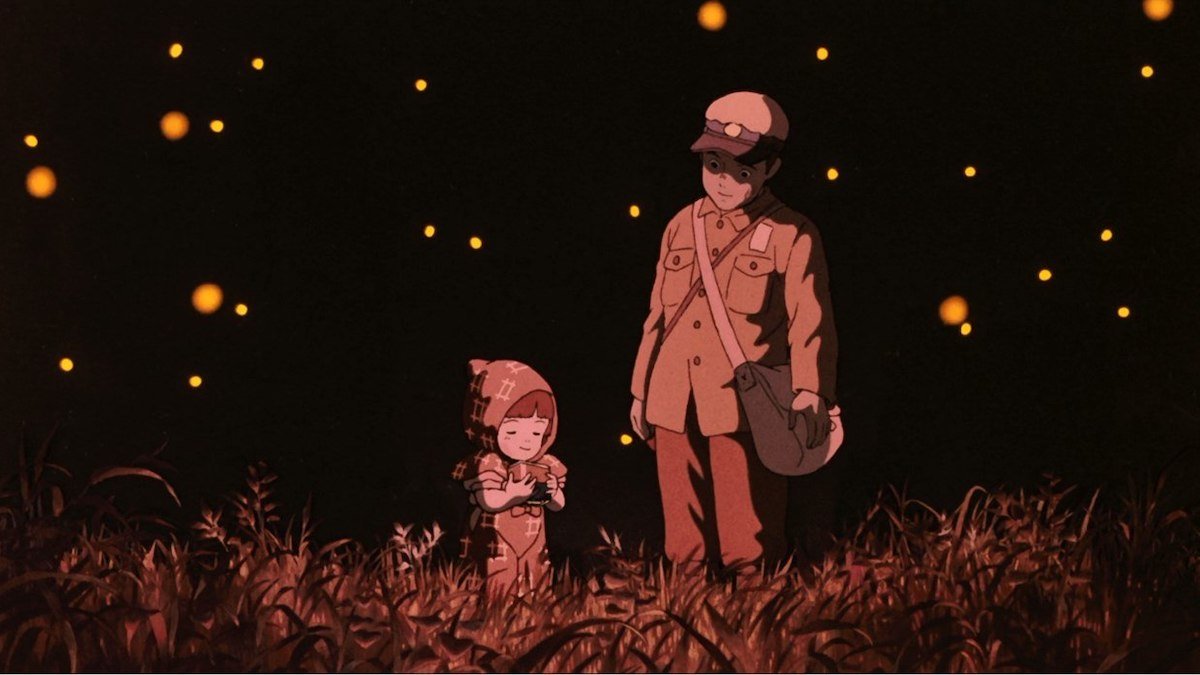
The movie remains one of the most startling and moving animated films ever. It is also, with the likes of The 400 Blows, Kes, and Vagabond, one of the finest films about being young in an indifferent world.
The New York Times
This animated Japanese masterpiece is a war story as wrenching as any live-action movie.
The Guardian
Mardi 16 juin 2026 18:30
Langues : vostFR lieux : Théâtre des Capucins
Mercredi 10 juin 2026 19:00
Langues : lieux : Cercle Cité - Auditorium 2e étage
Dimanche 14 juin 2026 10:00
Langues : vostFR lieux : Théâtre des Capucins
Great Restorations
Dans la Pologne communiste, Witek, un étudiant en médecine, court pour attraper un train à destination de Varsovie. À partir de cet instant unique se déploient trois versions distinctes de son avenir, chacune façonnée par le fait qu’il parvient ou non à monter dans le train.
Asks to be read for both its political and its philosophical implications. Kieślowski appears to propose that even in the divisive, paranoid atmosphere of late Communist Poland, a retreat from politics is not the answer. The echo chamber of unhappy endings amounts to a howl of no-win pessimism. But Kieślowski was a pessimistic humanist; his despair over humanity coexisted with a stubborn faith in it.
Criterion Collection
The indelible fulcrum of Kieslowski’s career as a documentarian and his blossoming as a major arthouse auteur.
Slant Magazine

One of Krzysztof’s best films, perhaps even the best and the most original.
Agnieszka Holland
Mercredi 27 mai 2026 18:30
Langues : vostEN lieux : Théâtre des Capucins
Lundi 25 mai 2026 20:00
Langues : vostFR lieux : Théâtre des Capucins
Dimanche 14 juin 2026 10:00
Langues : vostFR lieux : Théâtre des Capucins
Marseille, le Bar de la Marine. Marius est un jeune homme que la mer exalte. Il aime son père César, bourru et bonhomme, et aime aussi la petite Fanny qui vend des coquillages devant le bar de son père. Depuis son enfance, l’envie de courir le monde l’enflamme. Il lutte contre sa folie. Il ne veut pas abandonner le vieux César qui pourrait en mourir de chagrin, ni abandonner Fanny qui l’aime éperdument. Et pourtant la mer est là.

Il s’agit d’un ‘drame gai’. Le fond de l’histoire est mélodramatique mais les personnages sont si truculents, les comparses si pittoresques, les reparties si drôles, l’interprétation si brillante que l’on oublie l’anecdote au profit du détail. Le film n’a pas vieilli et a fait les délices de toutes les générations qui se sont succédé depuis 1931.
Dictionnaire des films. Éd. Larousse
One of the first great French talkies.
The Retro Set

Demazis, who had been working with Pagnol in the theater since 1927 (and would give birth to his child in 1933), is extraordinary in all three movies, playing the central female character in a story governed by the desires of men.
Chicago Reader
Jeudi 21 mai 2026 18:30
Langues : vostEN lieux : Théâtre des Capucins
Lundi 08 juin 2026 20:30
Langues : vostFR lieux : Théâtre des Capucins
Dimanche 14 juin 2026 17:00
Langues : vostEN lieux : Théâtre des Capucins

En plaçant sa caméra parmi les visiteurs parcourant les camps de concentration de Sachsenhausen et de Dachau, Sergei Loznitsa nous invite à réfléchir aux interactions entre histoire, mémoire et tourisme.

Loznitsa shows you the central activity: looking. Everyone is looking, looking, looking. Looking at what? Buildings, walls, yards, enclosures. The victims are not there. The war criminals are not there. The past is not there. Perhaps each new tourist erodes the site further until all that is left is dust. But visiting these sites is not meaningless and not wrong. It is part of human curiosity, which is better than indifference or forgetting.
The Guardian
Lundi 08 juin 2026 18:30
Langues : vostEN lieux : Théâtre des Capucins
Jeudi 11 juin 2026 20:00
Langues : vostFR lieux : Théâtre des Capucins
Dimanche 24 mai 2026 17:15
Langues : vostEN lieux : Théâtre des Capucins

Des voleurs cambriolent une banque et s’emparent de plusieurs coffres-forts, dont l’un serait réputé contenir des informations politiquement compromettantes.
Mercredi 10 juin 2026 18:15
Langues : vostEN lieux : Théâtre des Capucins
Dimanche 24 mai 2026 15:00
Langues : version originale française lieux : Théâtre des Capucins
Mardi 26 mai 2026 18:15
Langues : vostEN lieux : Théâtre des Capucins
Des bénévoles du Croissant-Rouge reçoivent un appel d’urgence. Hind, une fillette de 6 ans, est coincée dans une voiture sous les tirs de l’armée israélienne à Gaza, implorant de l’aide (la voix réelle de Hind, conservée dans l’enregistrement de l’appel de secours, est entendue tandis que les bénévoles sont interprétés par des acteurs). En essayant de la garder en ligne, les secouristes du Croissant-Rouge font tout leur possible pour envoyer une ambulance à son secours.
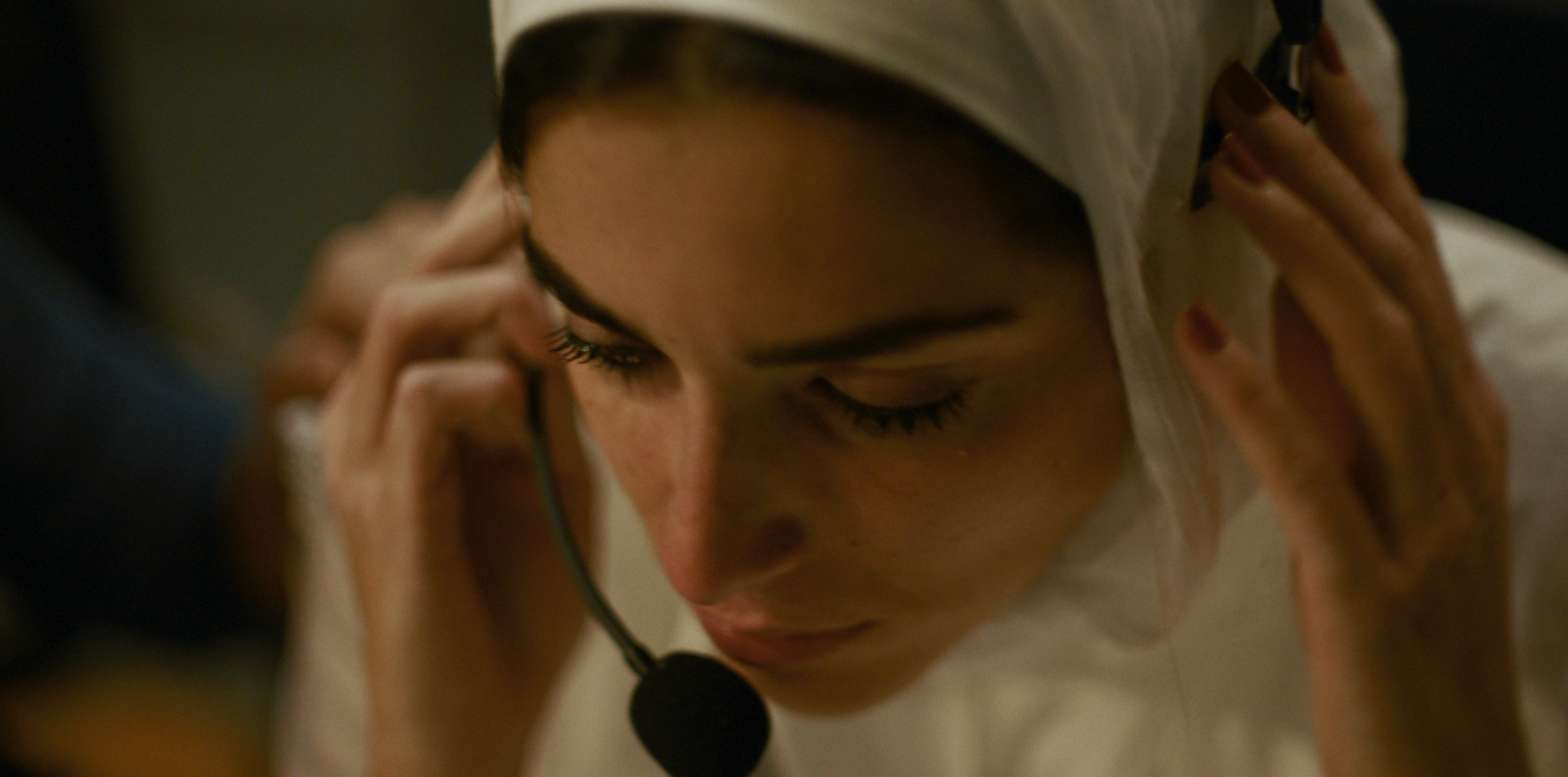
No other film this year will get more people talking, or more people crying.
BBC.com
Proves quite unavoidably devastating: The original audio footage carries a brutal emotional wallop in any context, and there’s value in making a cinema audience captive to it, unable to pause or stop or avert our ears.
Variety
Hania has form in metafiction, however this is a step up even from the queasily gripping Four Daughters. The gravity of the subject has sharpened her storytelling instincts.
Indiewire
Dimanche 24 mai 2026 15:00
Langues : version originale française lieux : Théâtre des Capucins
Jeudi 11 juin 2026 18:30
Langues : vostFR lieux : Théâtre des Capucins
Mardi 09 juin 2026 19:00
Langues : vostFR lieux : Théâtre des Capucins
Trois riches chefs d’entreprise, mariés et bons pères de famille, se retrouvent dans une zone désertique pour leur partie de chasse annuelle. Mais cette fois, l’un d’eux est venu avec sa jeune maîtresse, une séduisante nymphette qui, rapidement, attise la convoitise des deux autres.

Radical et gore, ce récit est surtout la révélation d’une réalisatrice à suivre, Coralie Fargeat, qui dénonce sans complaisance les violences faites aux femmes.
Le Journal du dimanche
Un ‘rape and revenge’ sanglant et surréaliste, kaléidoscope de visions gore, avec une nouvelle icône : Matilda Lutz.
Première
Fargeat’s blood-drenched feature debut, Revenge, tapped into the fury of the #MeToo movement and set the tone for the precarious balance between feminism and exploitation that characterises her latest picture, The Substance.
The Guardian
Dimanche 14 juin 2026 10:00
Langues : vostFR lieux : Théâtre des Capucins
Dimanche 24 mai 2026 10:00
Langues : deutsche Originalfassung lieux : Théâtre des Capucins
Dimanche 14 juin 2026 17:00
Langues : vostEN lieux : Théâtre des Capucins
Great Restorations
Après que sa famille a été tuée dans un bombardement, le jeune Bashu fuit seul le sud de l’Iran et arrive dans un village reculé du nord. Incapable de parler la langue locale et rejeté comme un petit étranger, il est accueilli par une mère de deux enfants dont le mari est absent. Un lien fragile commence lentement à se tisser entre eux.
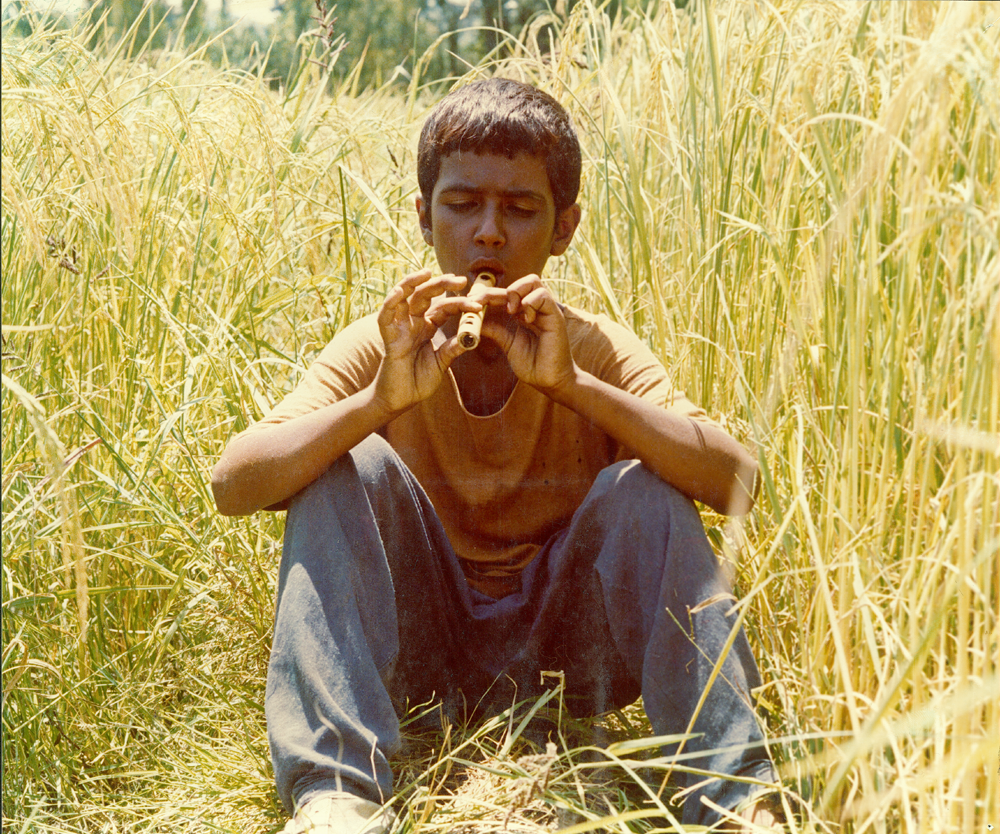
A vital cinematic masterpiece. A reminder that art at any time, in any place, awakens human consciousness and shows us humane paths through friendship, coexistence, and peace.
Jafar Panahi
Four decades later, one can see more clearly than ever how Beyzaie transforms the cinema screen into a window carved from the history and literature of Iran, opening it onto a beautiful and spectacular world.
Mohammad Rasoulof
A pure joy in which there are absolutely no false moves.
Los Angeles Times
Mercredi 17 juin 2026 20:15
Langues : vostEN lieux : Théâtre des Capucins
Mercredi 17 juin 2026 18:30
Langues : lieux : Théâtre des Capucins
Mardi 26 mai 2026 20:15
Langues : vostFR lieux : Théâtre des Capucins