Thursday 02 April 2026 18:30
languages : vostEN locations : Théâtre des Capucins

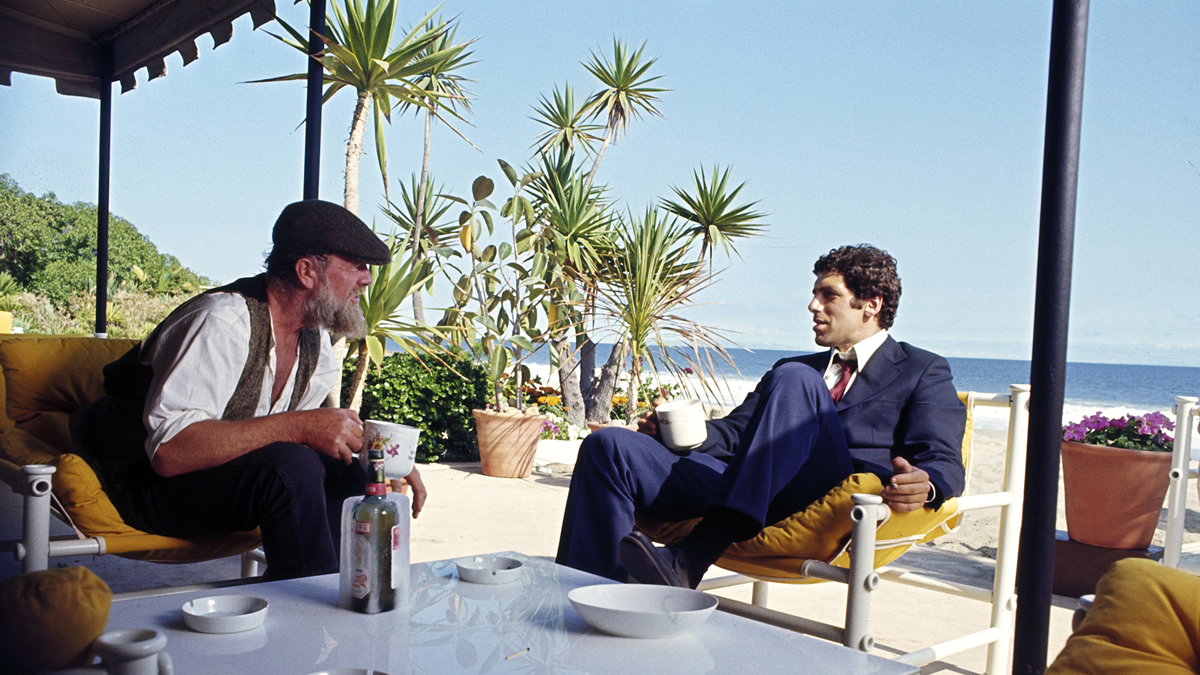
Great Restorations

Benjamin Braddock, a recent college graduate, is unsure what to do with his future when he meets Mrs. Robinson, his father’s boss’s wife. The older woman sets out to seduce him and succeeds quickly. But things get complicated when Mr. Robinson asks Benjamin to date Elaine, his daughter…
Les adultes cherchent soit à imposer leur propre schéma, soit à profiter de leur désarroi comme le fait Mrs Robinson ; ils n’apportent pas de réponses. Le lauréat démystifie le modèle de réussite sociale de la classe moyenne américaine et, quand on gratte, l’envers du décor n’est pas reluisant.
L’OEil sur l’écran
To view the video, you must accept cookies.
The year 1967 was significant in cinema history, and if you’re trying to make sense of why, you don’t have to look much further than Mike Nichols’ "The Graduate". It is a film which appears at a great turning point in Hollywood film history, at the moments of transition between one era tied to the strictures of classical storytelling and codes self-imposed censorship, and the beginning of a new American perspective on film influenced by artistic innovations from the cinema of Europe.
Senses of Cinema

Thursday 02 April 2026 18:30
languages : vostEN locations : Théâtre des Capucins
Wednesday 08 April 2026 18:15
languages : vostEN locations : Théâtre des Capucins
Friday 03 April 2026 18:30
languages : vostEN locations : Théâtre des Capucins
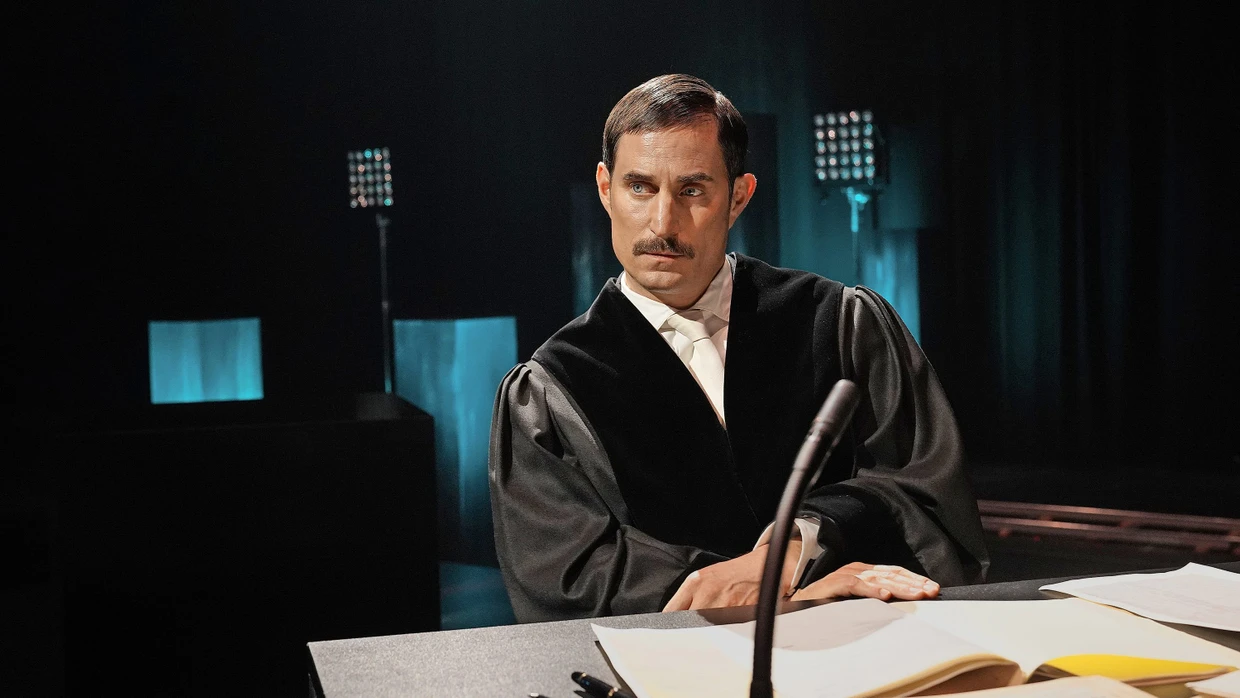
Ciné-débat «Die Ermittlung»

Über Auschwitz-Prozesse, Holocaust und die Grenzen der filmischen Darstellbarkeit
Diskussion mit RP KAHL (Regisseur des Films Die Ermittlung) und Yves STEICHEN (Filmhistoriker)
Wie lässt sich der Holocaust im Film darstellen? Seit den ersten Bildern aus den befreiten Todesfabriken stellt diese Frage Filmschaffende, Historiker*innen und letztlich das Publikum selbst vor moralische Herausforderungen. Von den dokumentarischen Aufnahmen der Alliierten über Alain Resnais' Nuit et brouillard (1956) und Claude Lanzmanns Shoah (1985) bis hin zu Steven Spielbergs Schindler's List (1993), László Nemes' Son of Saul (2015) und Jonathan Glazers The Zone of Interest (2023) – das Kino hat über Jahrzehnte hinweg immer wieder neue Wege gesucht, sich dem Holocaust anzunähern. Das Spektrum reicht von der radikalen Verweigerung jeder Rekonstruktion und jeden Reenactments bis zur immersiven Inszenierung bei Spielberg, dessen Film eine Debatte über die fiktionale Darstellung des Holocaust auslöste. Jeder Versuch einer filmischen Annäherung wirft unweigerlich die Frage auf, wo die Grenzen der Darstellung liegen, welche ästhetischen und ethischen Entscheidungen damit verbunden sind – und wie das Kino ein angemessener Ort für diese Erinnerungsarbeit sein kann.
Mit Die Ermittlung (2024) hat Regisseur RP Kahl sich Peter Weiss' dokumentarischem Theaterstück über die Frankfurter Auschwitz-Prozesse (1963 bis 1965) angenommen, die als erster großer Versuch der bundesdeutschen Justiz gelten, die Verbrechen von Auschwitz strafrechtlich aufzuarbeiten. Sie trugen maßgeblich dazu bei, den Holocaust ins öffentliche Bewusstsein der Nachkriegsgesellschaft zu rücken. Kahls Film konfrontiert das Publikum mit den Zeugenaussagen und Protokollen der Prozesse, und stellt die Frage nach der Darstellbarkeit des industriellen Massenmordes auf eindringliche Weise – nicht durch die Rekonstruktion des Grauens selbst, sondern durch die Sprache derer, die es bezeugen und derer, die es verantworten.
Der Abend lädt ein zu einer vertieften Auseinandersetzung mit der Geschichte und den Herausforderungen der filmischen Holocaust-Darstellung. Ein einleitender Vortrag ordnet das Werk in den filmhistorischen Kontext ein, bevor Regisseur RP Kahl im Rahmen eines Gesprächs mit Filmhistoriker Yves Steichen Einblicke in seine künstlerische Herangehensweise gewährt.

Saturday 04 April 2026 18:00
languages : vostEN locations : Théâtre des Capucins
Saturday 28 March 2026 20:30
languages : vostEN locations : Théâtre des Capucins
Saturday 28 March 2026 18:15
languages : vostFR locations : Théâtre des Capucins
Great Restorations
Wallace, a New York playwright, meets André Gregory, an old acquaintance and theatre director. Initially reluctant, Wally gradually gets drawn into the conversation and opens up wholeheartedly over the course of the meal.
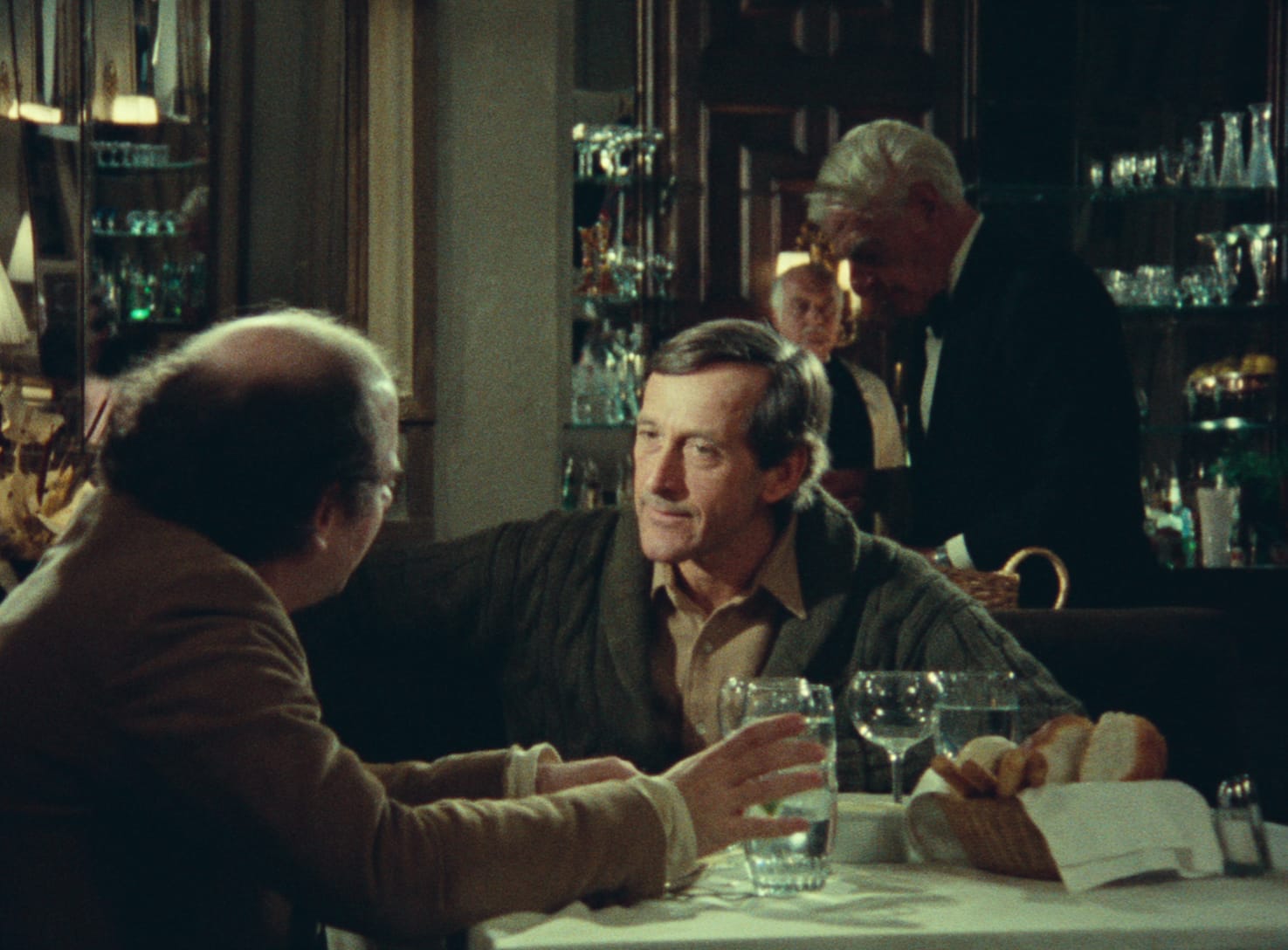
Louis Malle démontre que le cinéma est un art aussi aventureux que le bavardage.
Télérama
This is a bizarre and surprisingly entertaining satirical comedy ‒ the story of the search beyond theatre turned into theatre, or, at least, into a movie.
The New Yorker
Tuesday 07 April 2026 18:30
languages : vostFR locations : Théâtre des Capucins
Saturday 04 April 2026 16:00
languages : vostFR locations : Théâtre des Capucins
Monday 06 April 2026 20:00
languages : vostFR locations : Théâtre des Capucins
Cinémathèque Film Club


A 27-year-old aspiring dancer drifts through New York City, stumbling through friendships, money troubles, and half-formed dreams with buoyant awkwardness.
Larisa Faber is Luxembourg-Romanian writer, director and performer. IG: @larisa.faber
u Discount on Larisa Faber’s show at Les Capucins
During the screening, an exclusive promo code will be revealed, giving you 10% off your ticket for The Land We Shared, the new creation by Larisa Faber.

"Frances Ha" is the quintessential Millennial movie, anchored by Greta Gerwig’s captivatingly charming protagonist and Noah Baumbach’s bittersweeteye on a generation’s hope and disillusionment. For the dreamers who believed life would be Truffaut-infused nostalgia in black-and-white, but instead got an underwhelming, grey weekend away in Paris and muddled through anyway. PS. My husband hates this film. With a passion. So perfect first date material, if you ask me. Perfect for rekindling, perfect for dissecting, discussing, debating.
Larisa Faber, à propos de son choix
Sunday 05 April 2026 17:00
languages : vostEN locations : Théâtre des Capucins
Monday 06 April 2026 16:15
languages : version française locations : Théâtre des Capucins
Friday 27 March 2026 20:30
languages : vostFR locations : Théâtre des Capucins
Great Restorations
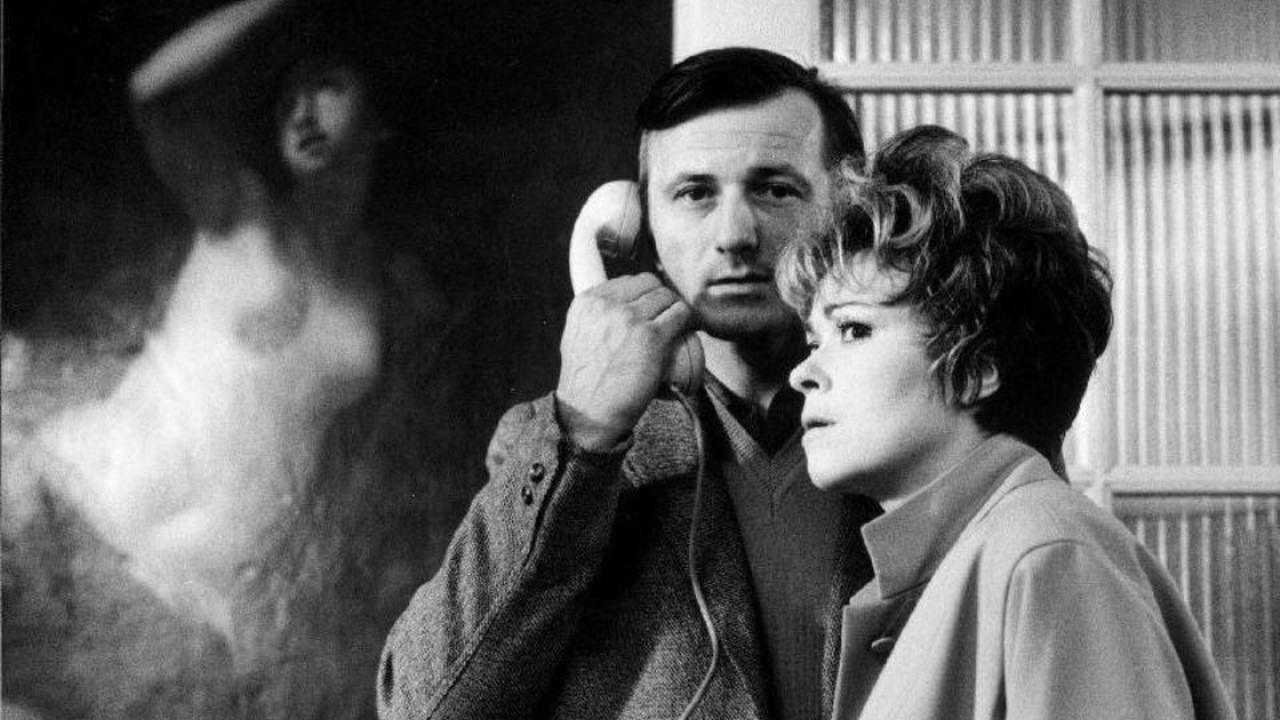
Après être rentré d’une soirée, un fonctionnaire tchécoslovaque devient convaincu qu’il est sur le point de faire l’objet d’une purge politique et tente d’en limiter les conséquences, tout en gérant son mariage turbulent.
A remarkable thriller that explores the paranoia of a country due to the omnipresent nature of its government while also being a compelling domestic drama driven by the strength of its characters. The fact that we, the viewers, are as intrusive to the life of these people as the dreaded ‘ear’ makes for an interesting voyeuristic experience that’s hard to look away from.
Czech Film Review
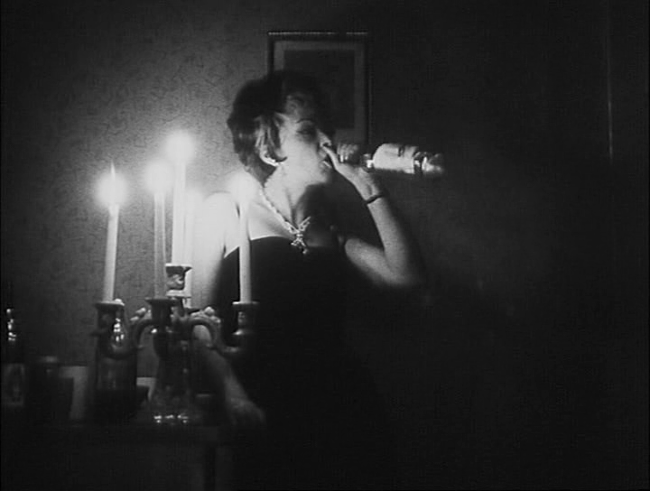
Suppressed as soon as production finished, Karel Kachyna's "The Ear" now resurfaces in a glorious 4K restoration. Prochazka’s dramatic masterstroke was to stage much of the film in the presumably grace-and-favour house that Ludvik shares with his wife, and to have as many thematic nods to Edward Albee's "Who’s Afraid of Virginia Woolf?" as to the universe of Franz Kafka. It remains a brilliant analysis of how political power is maintained and enforced – and not just in a totalitarian situation.
BFI
Monday 06 April 2026 15:00
languages : sans paroles locations : Théâtre des Capucins
Tuesday 21 April 2026 19:00
languages : vostDE locations : Théâtre des Capucins
Wednesday 22 April 2026 20:30
languages : version originale française locations : Théâtre des Capucins
Great Restorations
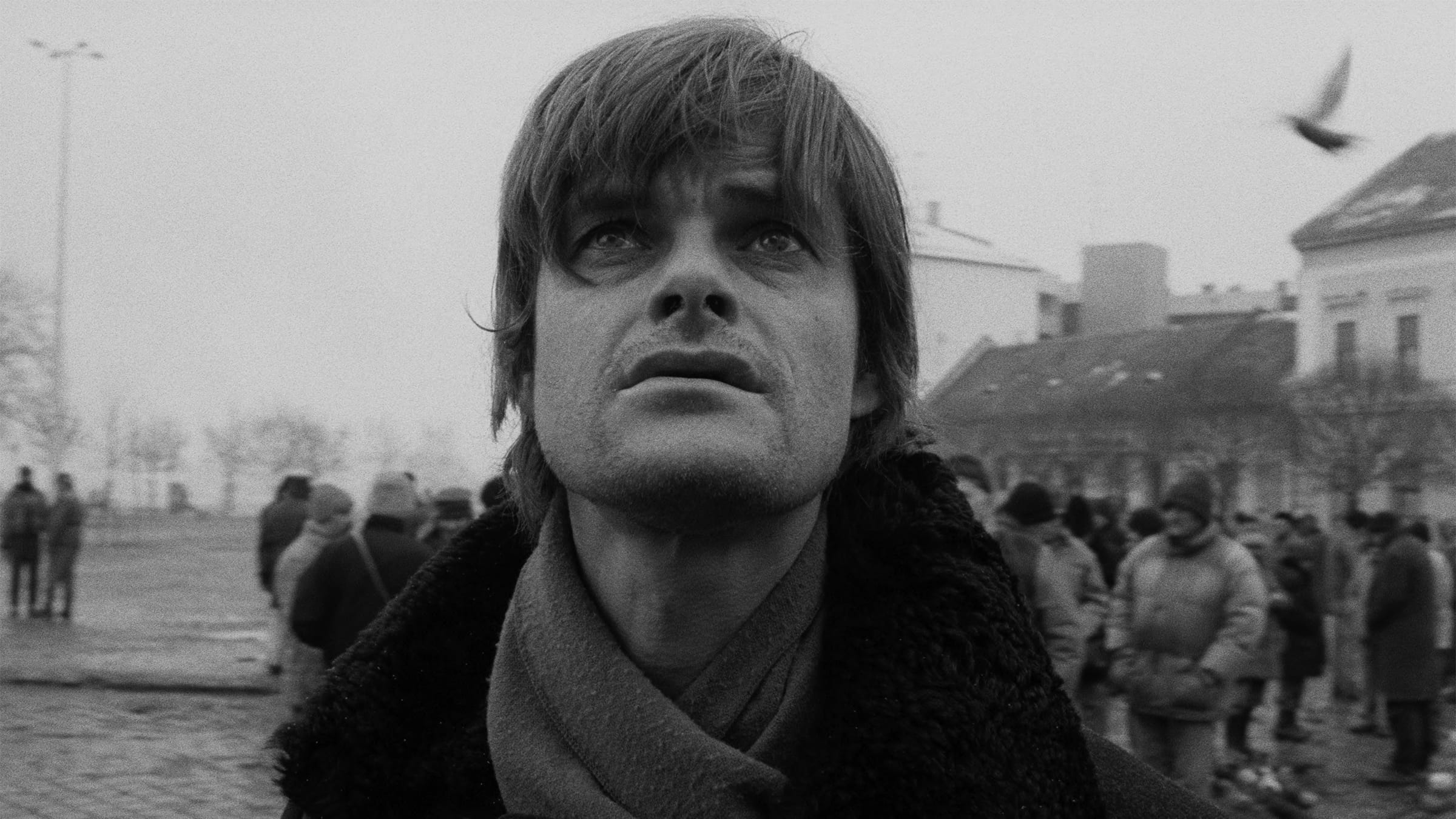
In the Hungarian lowlands, during Communist times, a town is unsettled by the arrival of a strange traveling circus. It attracts the interest of the inhabitants who line up by the hundreds to see the main attraction: a stuffed whale hiding a mysterious prince.
Viewers should allow themselves to fully confront the terrifying ‘unresolvability’ of the film’s central theme: the immortal endlessness of the universe in relation to human finitude. Don’t miss this opportunity to see a film that exploits the big screen to an absolute extreme.
Cine-file
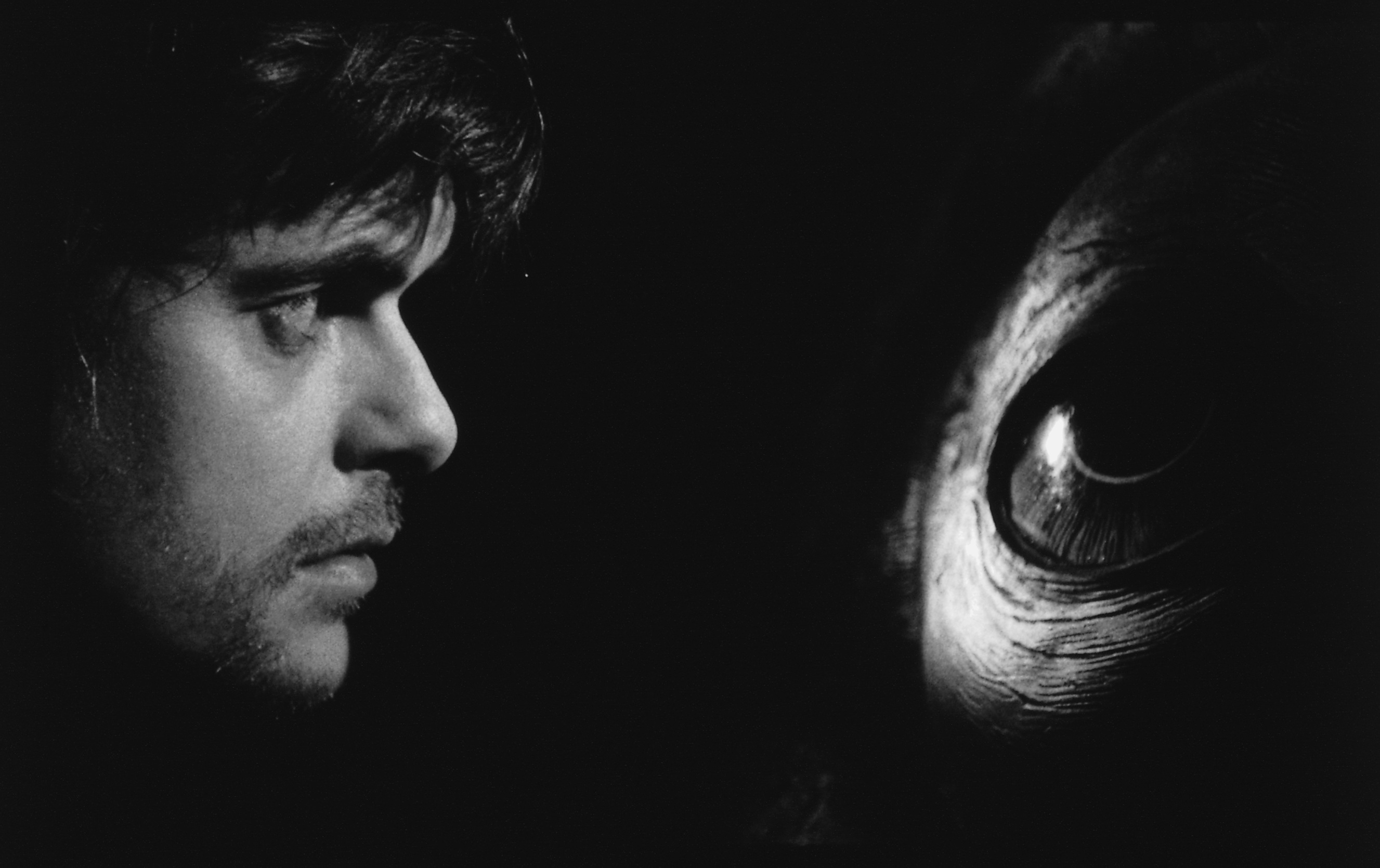
Tarr’s precise yet effortless command of the long take is so transcendent as to suggest the presence of God. Every stoppage point within each shot becomes a heavenly composite of the film’s collective whole.
Slant Magazine
Saturday 04 April 2026 20:30
languages : vostEN locations : Théâtre des Capucins
Wednesday 08 April 2026 20:30
languages : vostEN locations : Théâtre des Capucins
Saturday 04 April 2026 16:00
languages : vostFR locations : Théâtre des Capucins
Great Restorations
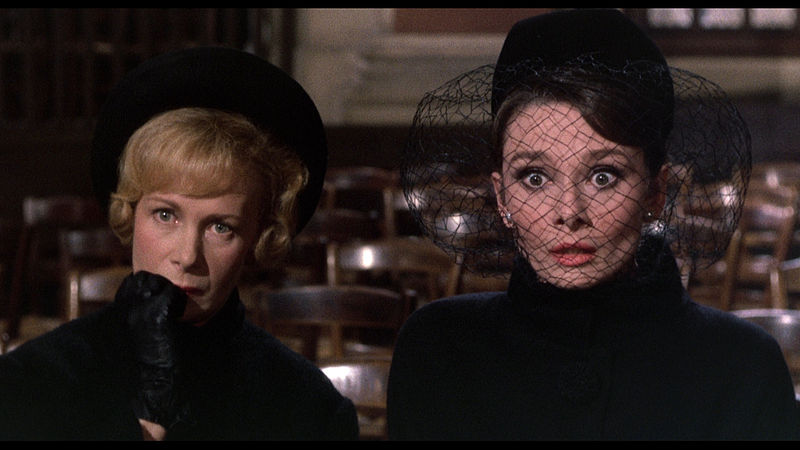
Attorney Anthony Keane agrees to represent Londonite Mrs. Paradine, suspected of her husband’s murder. From the start, the married lawyer is drawn to the enigmatic beauty, and he begins to think about ways to exonerate his client. Keane puts a Paradine household servant on the stand, suggesting he is the killer. But Keane’s half-baked plan sets off a stunning chain of events.
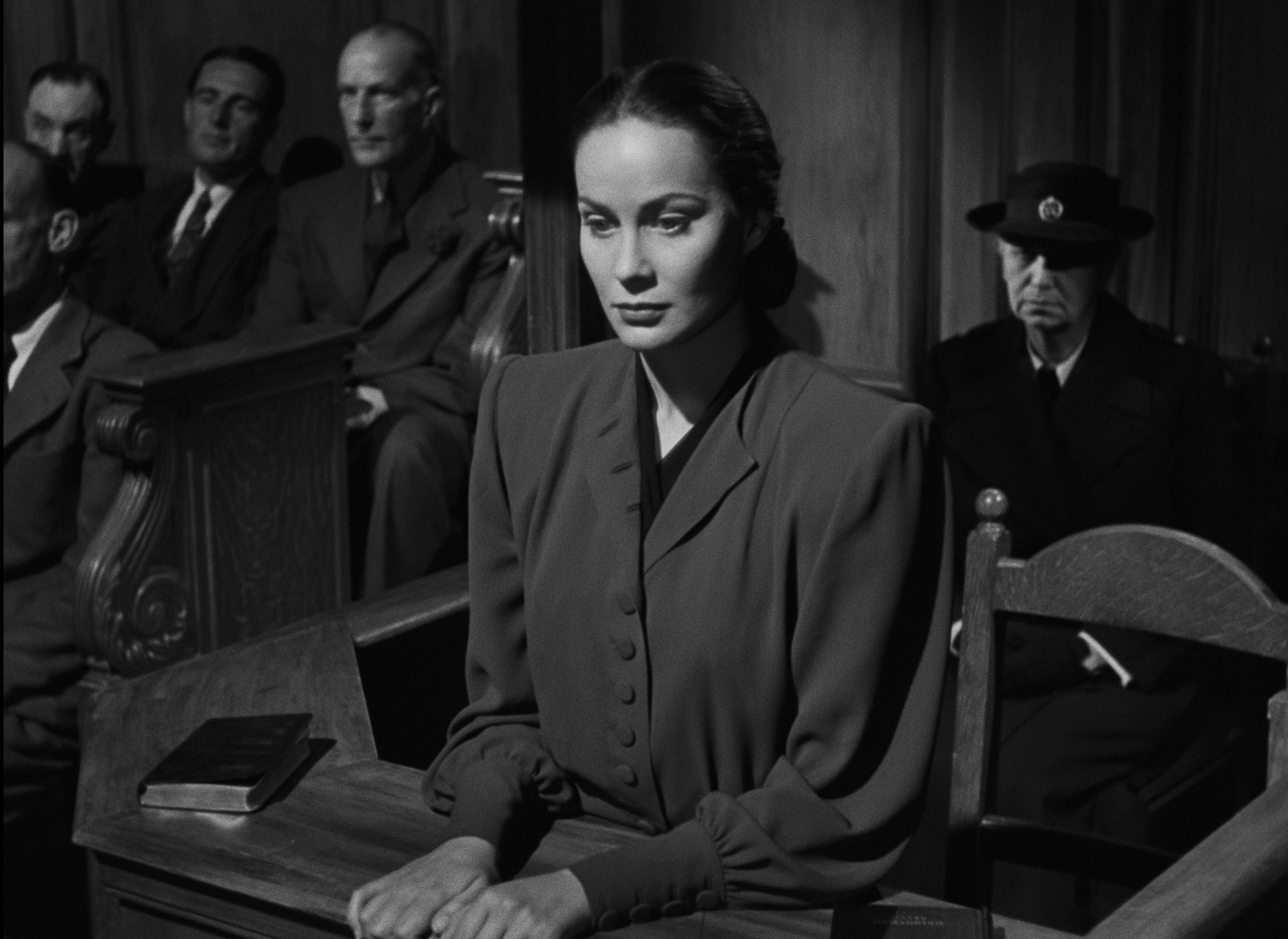
Has almost everything to recommend it: a superb director, Alfred Hitchcock; an impressive cast, a typical expensive and authentic production by David O. Selznick and an exciting story.
Boston Globe
More than just an excellent example of Hitchcock’s craftsmanship, The Paradine Case is an intriguing stew of subverted desire and the denial of satisfaction, and remains one of the auteur’s most subtly perverse offerings.
Ion Cinema
Tuesday 28 April 2026 19:00
languages : locations : neimënster
Sunday 29 March 2026 20:00
languages : vostFR locations : Théâtre des Capucins
Monday 06 April 2026 15:00
languages : sans paroles locations : Théâtre des Capucins
Great Restorations
A husband’s suave exterior unravels after his marriage, and he unleashes his paranoid and volatile temper on his wife, which escalates to ever more dangerous and unpredictable tantrums.
Released at the height of his prolific Mexican period, Él remains one of Luis Buñuel’s crowning achievements.
Slant Magazine
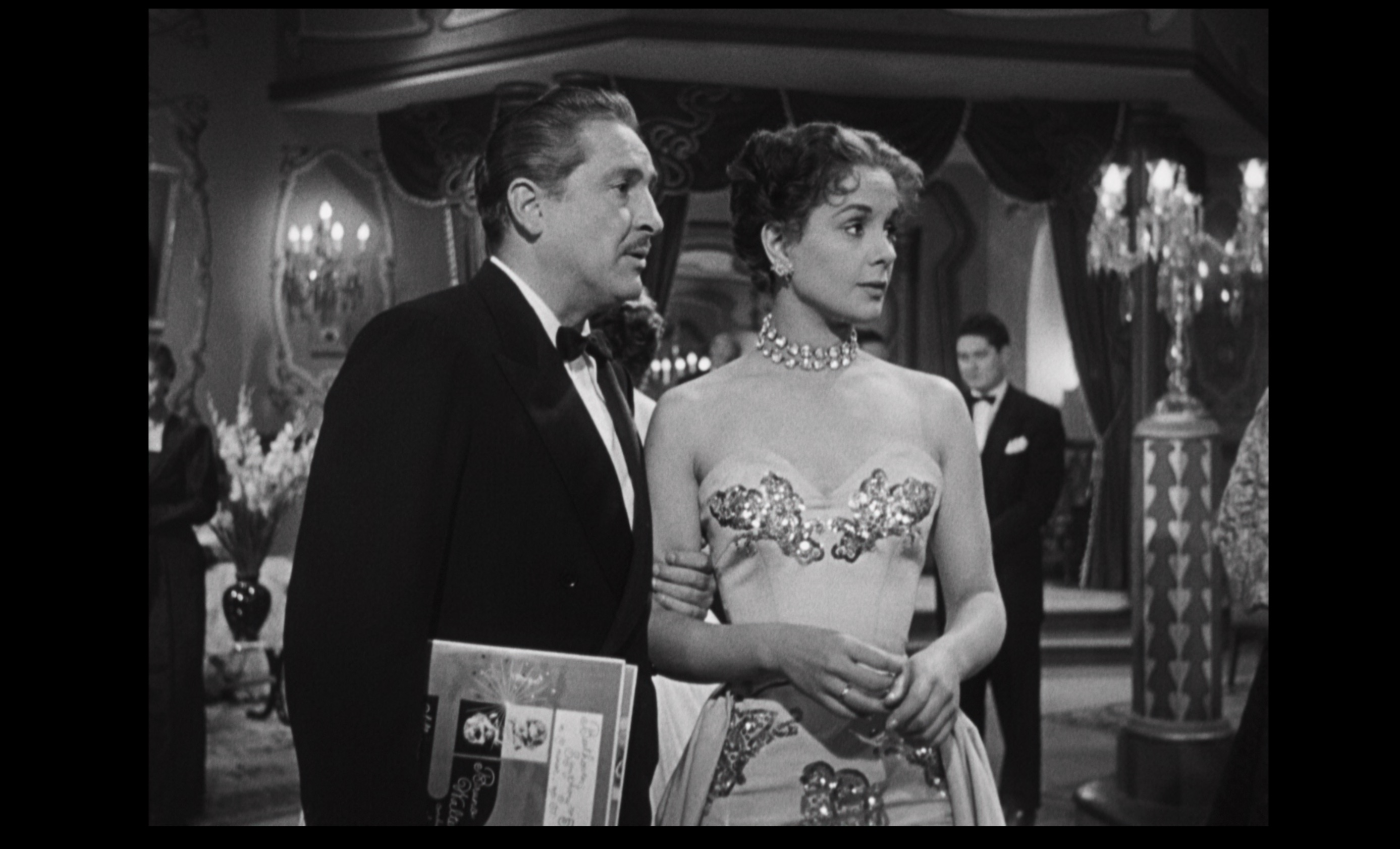
With eerie point-of-view shots, Buñuel gets inside the mind of a madman whose sadism is inseparable from his high social position; his commanding manner mirrors the folly and the cruelty of society at large.
The New Yorker
Tuesday 07 April 2026 20:30
languages : vostEN locations : Théâtre des Capucins
Saturday 28 March 2026 20:30
languages : vostEN locations : Théâtre des Capucins
Monday 06 April 2026 20:00
languages : vostFR locations : Théâtre des Capucins
Great Restorations
In Communist Poland, Witek, a medical student, runs to catch a train to Warsaw. From this single moment, three distinct versions of his future unfold, each shaped by whether he manages to board the train or whether he misses it.
Asks to be read for both its political and its philosophical implications. Kieślowski appears to propose that even in the divisive, paranoid atmosphere of late Communist Poland, a retreat from politics is not the answer. The echo chamber of unhappy endings amounts to a howl of no-win pessimism. But Kieślowski was a pessimistic humanist; his despair over humanity coexisted with a stubborn faith in it.
Criterion Collection
The indelible fulcrum of Kieslowski’s career as a documentarian and his blossoming as a major arthouse auteur.
Slant Magazine

One of Krzysztof’s best films, perhaps even the best and the most original.
Agnieszka Holland
Friday 27 March 2026 20:30
languages : vostFR locations : Théâtre des Capucins
Friday 03 April 2026 18:30
languages : vostEN locations : Théâtre des Capucins
Friday 27 March 2026 18:30
languages : vostFR locations : Théâtre des Capucins
Holocaust Remembrance Day
Placing his camera among visitors wandering through the Sachsenhausen and Dachau concentration camps, Sergei Loznitsa invites us to reflect upon the dynamics between history, memory and tourism.
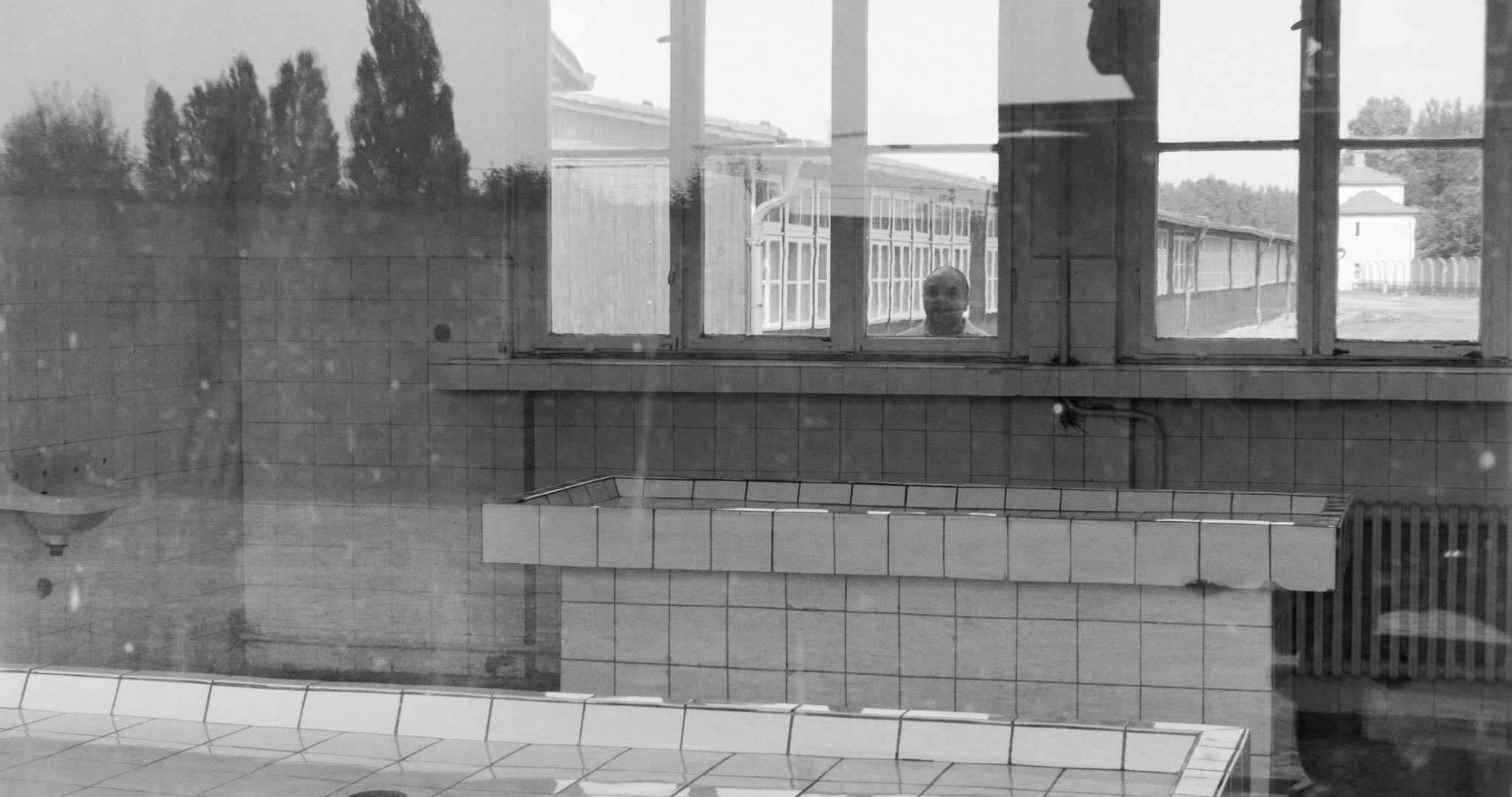
Loznitsa shows you the central activity: looking. Everyone is looking, looking, looking. Looking at what? Buildings, walls, yards, enclosures. The victims are not there. The war criminals are not there. The past is not there. Perhaps each new tourist erodes the site further until all that is left is dust. But visiting these sites is not meaningless and not wrong. It is part of human curiosity, which is better than indifference or forgetting.
The Guardian
Monday 06 April 2026 16:15
languages : version française locations : Théâtre des Capucins
Saturday 04 April 2026 20:30
languages : vostEN locations : Théâtre des Capucins
Sunday 29 March 2026 17:00
languages : version originale française locations : Théâtre des Capucins