Saturday 26 September 2026 17:00
languages: vostEN locations: Théâtre des Capucins

Though markedly different in tone, the two Oslo Trilogies by Norwegian directors Joachim Trier (born in 1974) and Dag Johan Haugerud (born in 1964) offer an illuminating portrait of contemporary life in Norway’s capital.
Trier’s trilogy – comprising Reprise (2006), Oslo, August 31st (2011), and The Worst Person in the World (2021) – is linked less by narrative continuity than by a recurring fascination with the passage of time and its impact on identity and memory.
Haugerud’s more recent trilogy – Sex, Love, and Dreams, from 2024-2025 – likewise takes Oslo as both setting and subject, but looks at the ways in which people articulate desire and intimacy through something Trier’s protagonists normally aren’t very good at: intimate conversations.
Born filmmaker Trier’s work is driven by subjective experience and cinematic dynamism. A novelist by trade, Haugerud favours a more observational and expansive approach. His films unfold through dialogue rather than dramatic incident, treating speech itself as a space of exploration. Where Trier frequently foregrounds emotional turbulence and individual crisis, Haugerud is interested in the social circulation of ideas and desire, examining how people negotiate questions of gender, sexuality, love, and personal freedom within everyday encounters.
Both trilogies are united by a shared commitment to Oslo as a living, evolving social environment. Neither filmmaker treats the city as a picturesque backdrop. Instead, we see a dynamic, modern-day patchwork of specific places that together create a bustling metropolitan area in a way that mirrors how contemporary identities are constructed out of countless individual parts.
Seen side by side, the two trilogies reveal complementary ways of imagining urban modernity: one through the emotional contours of individual incidents and lives, the other through a forthright openness in conversation about larger topics that allows our common humanity to shine through in this big city.
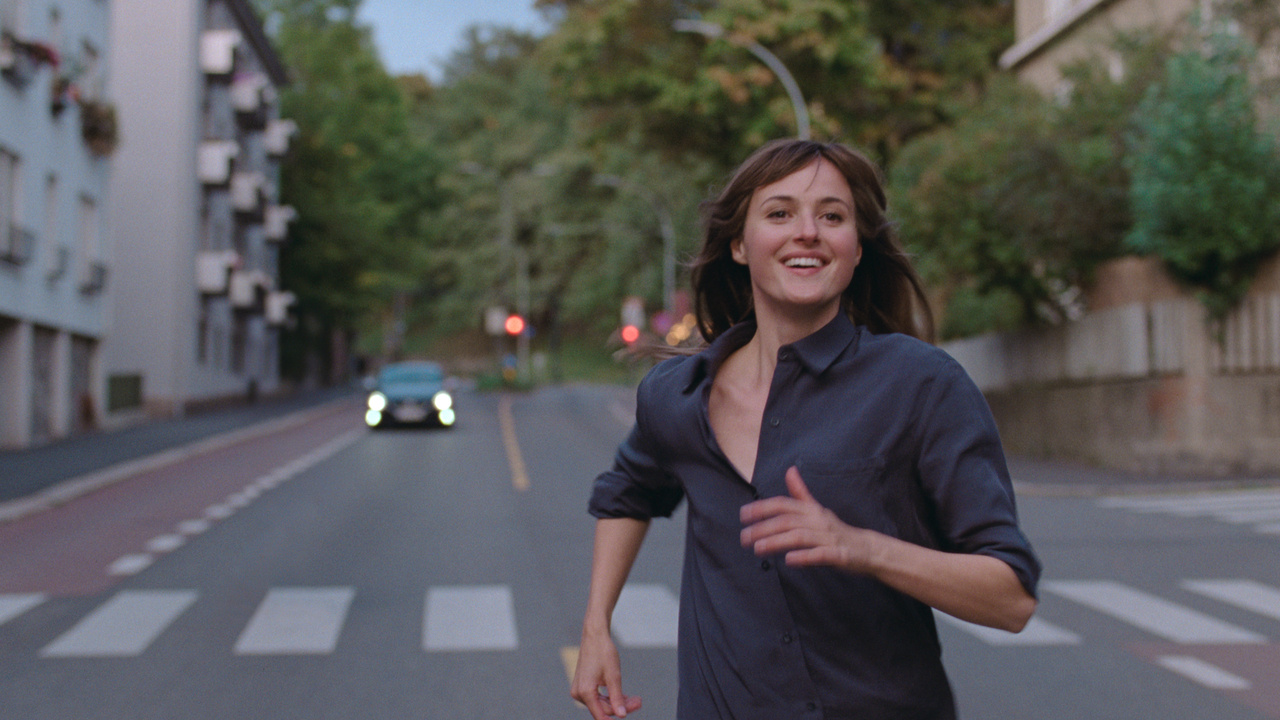
Joachim Trier has put Oslo on the cinematic map. Oslo has been far more than a backdrop. His characters are constantly roaming the city, and Trier highlights its melancholy beauty: its lush but empty-looking parks; its moody indigo fjord.
The New Yorker
Saturday 26 September 2026 17:00
languages: vostEN locations: Théâtre des Capucins
Wednesday 09 September 2026 18:15
languages: vostFR locations: Théâtre des Capucins
Thursday 17 September 2026 18:15
languages: vostEN locations: Théâtre des Capucins